How Charities Can Optimise Videos and Drive More Support
Charities and non-profits rely on action.
That action might be a donation, a signature, a volunteer shift, or even a share. Video helps drive those actions. But not just any video. To work, your content needs to be clear, targeted, and built to convert.
Most charities already use video. But few take full advantage of what it can do. With the right approach, your videos can reach more people, hold their attention longer, and lead to stronger results.
Here are key ways to make that happen.

Tell real stories that matter
People care about people. Stories about individuals affected by your work help make big issues feel real. A woman who found housing, a child who got support, a volunteer who turned their life around; these are the moments that help viewers understand why your cause matters. Keep it honest. Don’t over-script. Use real voices and faces. The most effective stories build trust and create an emotional response. That’s what moves people to act.
Make the action clear
Your viewer needs to know what to do next. Tell them. Then remind them. Add calls to action in the middle and at the end of your video. Make them visible. Make them specific. Instead of saying “support us,” say “donate now to give someone a safe place to sleep.” Give people a simple path to follow, and many will take it.
Match the length to the platform
Short videos work best on social media. Aim for 30 to 90 seconds. These are good for raising awareness, sharing updates, or thanking supporters. For your website or an event, go longer—up to 5 minutes—if the story needs it. Good structure helps. Start with the problem. Show how your charity helps. End with results and a clear action.
Make your videos accessible
Use subtitles or captions in every video. This helps people who are deaf or hard of hearing, as well as those watching in noisy or quiet environments.
Add transcripts if you can. Keep visuals clear and easy to follow. Good accessibility increases your reach and shows you care.
Keep your branding consistent
Use your logo, colours, fonts, and tone of voice in every video. This builds familiarity. Supporters know it’s you. That makes them more likely to engage. Consistency builds trust. Over time, this leads to more action and stronger relationships.
Show impact clearly
People want to know their actions make a difference. Use simple visuals to show change. This could be numbers, charts, or a before-and-after sequence. If your charity planted 3,000 trees or helped 150 families, show it. Use real data. When people trust the results, they’re more likely to give again.
Focus on authenticity
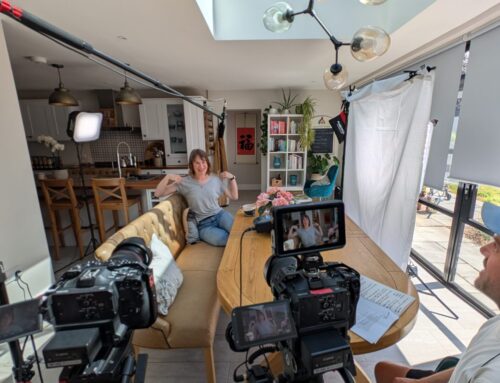
Highly produced videos can feel like adverts. That’s not always a bad thing, but sometimes it reduces trust. Try using a simple camera setup. Interview someone in their real space. Let them speak in their own words. If it feels honest, people are more likely to believe it—and act on it.
Speak to specific groups
Not all supporters are the same. A young volunteer might care about purpose and impact. An older donor might care more about legacy and stability.
You can tailor videos to different audiences using the same core message. Change the visuals, tone, or CTA to match who you’re talking to.
Design for mobile
More than 70 percent of video views happen on phones. That means your video must work on small screens. Use vertical or square formats. Add subtitles, since most people watch without sound. Open with something eye-catching. The first three seconds matter most. Use Reels, Stories, Shorts, or other platform-native formats. These get more reach than generic uploads.
Track what works
Guessing doesn’t grow support. Data does. Watch how long people stay on your video. See where they drop off. Track how many click-throughs to donate. These metrics help you adjust your approach. YouTube, Google Analytics, and tools like HubSpot or Salesforce can help you track and learn.
Help people find your videos
Search engines use text to find content. Add good titles and descriptions. Use keywords related to your work. Add subtitles and captions. These help both with accessibility and discoverability. On YouTube and Facebook, also tag your videos with relevant categories. On TikTok or Instagram, use a few focused hashtags.
Work with others
Partner with individuals or groups who already have an audience. This could be a local influencer, a community organisation, or another charity. Ask them to appear in your video or share it with their network. This can expand your reach and bring in people you wouldn’t reach alone.